Interview Gregory Kasunich
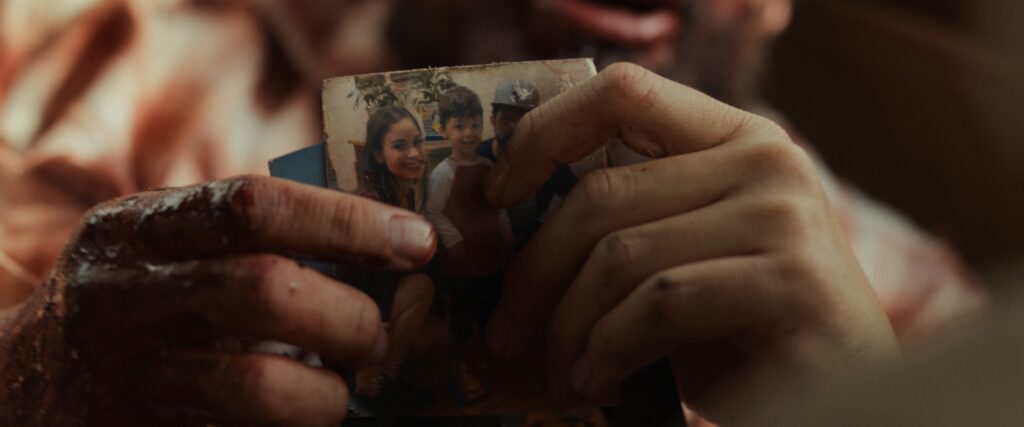
The idea “American Dream” is something that has always fascinated me because it means different things to different people, depending on where they come from and what they’re seeking. For Janie May, the Dream is tied to the idea of upward mobility—escaping small-town limitations through country music and the hope of being recognized for her talent. On the other hand, Jesús’ struggle is rooted in the very real, often invisible battle of survival as an undocumented worker. What inspired me was the contrast between these two characters who, in many ways, are chasing the same thing: a better life, recognition, and the freedom to build something for themselves. Their journeys reflect both the promise and the harsh realities of the American Dream, and I wanted to explore how those realities manifest in the lives of people who may not fit the traditional narrative of success, especially in our current political and social climate.
I wanted to make sure that the audience felt the tension between their worlds without romanticizing or simplifying their struggles or the accident. In terms of direction, Janie May’s dreams are tied to fame (being seen) and Jesús’ survival dependent on remaining unseen, so we were thinking about that in terms of asking for help, etc.—there was an underlying shared desperation for something more. I wanted their confrontation to feel both inevitable and charged with tension, so the blocking of the scene became crucial. I placed them in the confined space of the car to heighten the confrontation – the feeling of being trapped. The camera for this sequence was handheld vs the steadicam we employed up to this point. This shift in camera movement reflected their evolving situation, the unknown. The moment was about more than just a physical confrontation—it was a moment of empathy, even if unspoken, and I wanted the direction, blocking, and camera work to reflect that subtle shift.
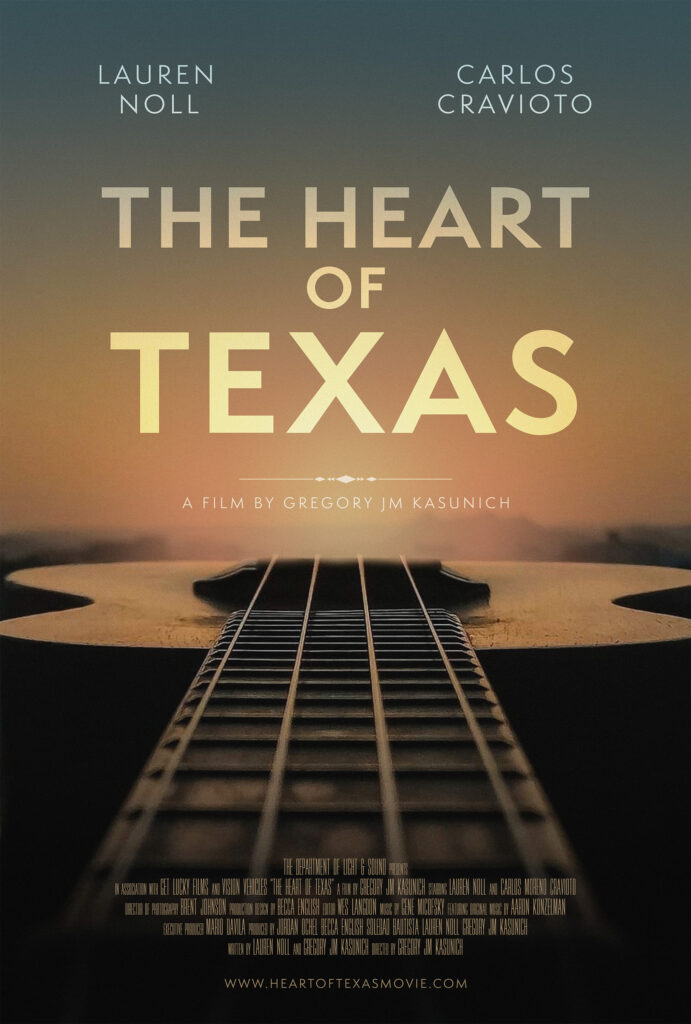
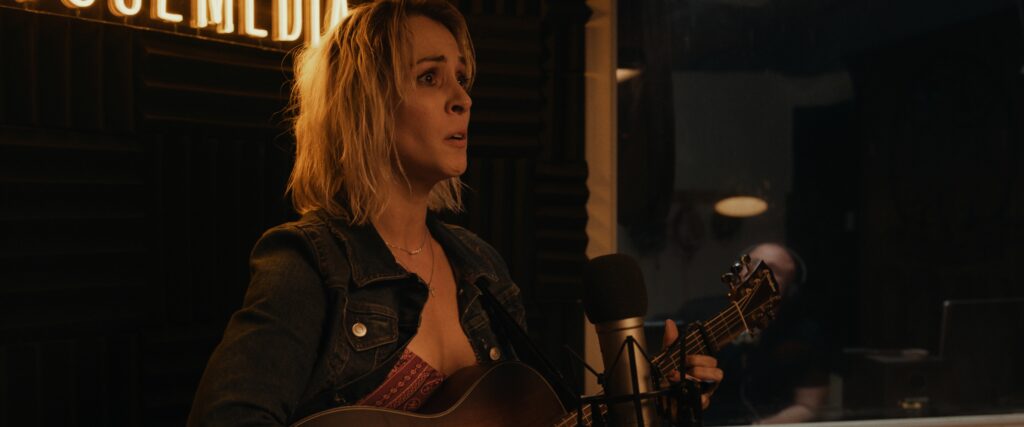
Country music is such an integral part of Janie May’s character because it represents more than just a genre; it’s her language for expressing her struggles, her hopes, and her dreams. For Janie May, the music is both an escape and a reflection of her reality. As a backdrop, country music helps to set the tone for the film—it’s inherently tied to stories of resilience, heartbreak, and perseverance. For Janie May, each song she sings is an emotional release, a way of coping with the limitations and disappointments she faces while pursuing her dream. The music shapes the emotional arc of the film by anchoring Janie May’s journey in something deeply personal. When she sings, it’s not just about getting applause; it’s about survival, self-assertion, and finding her voice in a world that’s often indifferent to her struggles. The music, in a way, becomes her roadmap to both self-discovery and a sense of belonging.